Lifting a vehicle on uneven ground presents challenges that don’t exist in a controlled workshop environment. Roadside technicians regularly work on sloped verges, loose gravel, hot asphalt, compact dirt, and irregular surfaces. Under these conditions, stability becomes just as important as lifting power.
So why do air jacks perform differently?
The Problem With Narrow Bases
Most hydraulic trolley jacks are designed for smooth workshop floors. Their relatively narrow wheels and contact points concentrate load in a small surface area.
When placed on warm asphalt, loose aggregate, or compact dirt, the concentrated pressure can cause the jack to sink slightly into the surface. Even minor movement can affect lift stability and force technicians to reposition mid-lift.
On a busy roadside, that costs time (and money) and increases risk.

How Air Jacks Distribute Load Differently
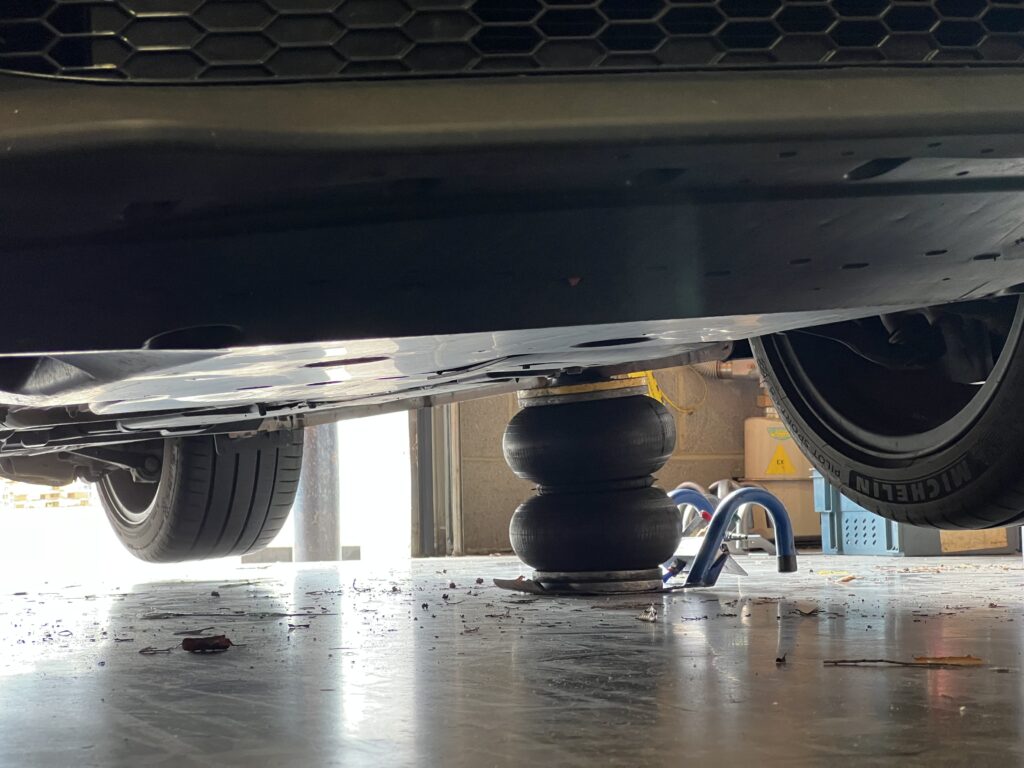
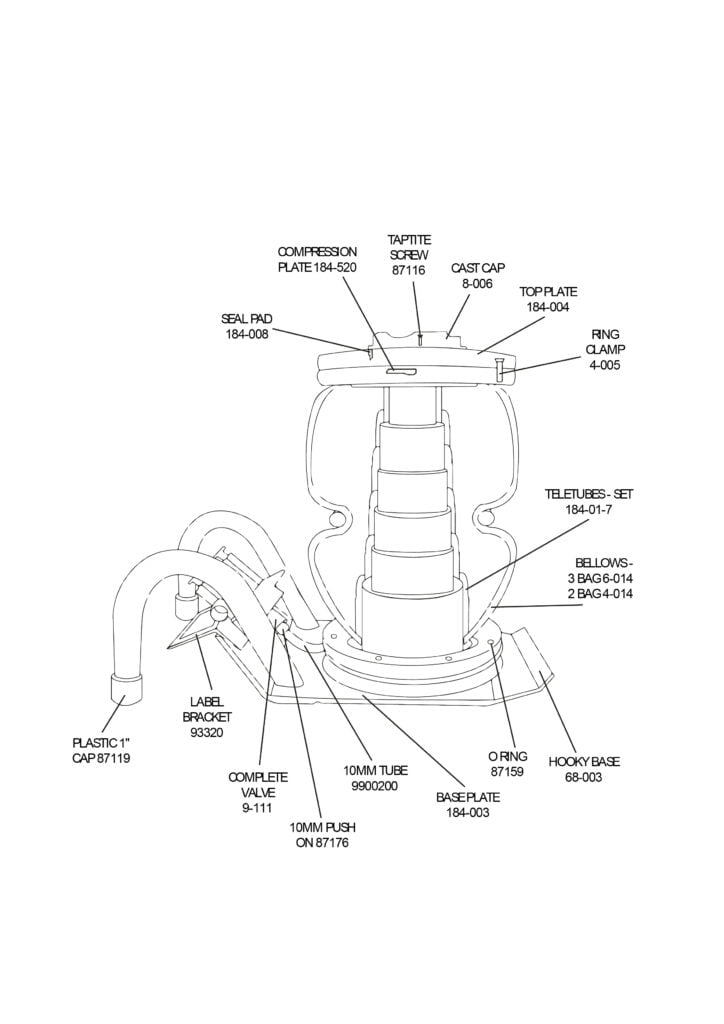
Air jacks use a wide base design that spreads load more evenly across the ground.
Instead of relying on small wheels or narrow contact points, the base acts as a stable platform. This wider footprint reduces ground pressure, improves flotation on softer surfaces, and minimises sinking into asphalt or gravel. The overall result? Greater stability from start to finish.
Following the Vehicle’s Natural Lifting Arc
Surface performance is important but it isn’t the whole story. Movement during the lift also plays a part in smooth, safe lifting on uneven ground.
As a vehicle rises, it naturally follows a slight arc. Hydraulic jacks often resist this movement, causing them to roll forward, twist, or shift sideways. When lifting on uneven ground, that movement can increase instability.
Air jacks, however, are designed to track the vehicle’s natural lifting arc. Instead of resisting movement, they self-centre under load. This reduces lateral force and helps maintain stability throughout the lift. On gravel or dirt, that makes a significant difference.
Stability on Hot Asphalt
On warm days, asphalt can soften under concentrated load. Hydraulic jacks with narrow contact points can leave impressions or sink slightly as the lift progresses. Even small amounts of sinking change lift geometry and require constant monitoring.
A wider base distributes the weight more effectively, reducing pressure on the surface and improving overall stability.
For roadside technicians working quickly near traffic, predictable lift behaviour matters.
Real-World Roadside Conditions
Breakdowns rarely happen when, or where, it’s convenient. They could happen on the shoulder of a motorway, in rural lay-bys, on residential streets or even on construction access roads.
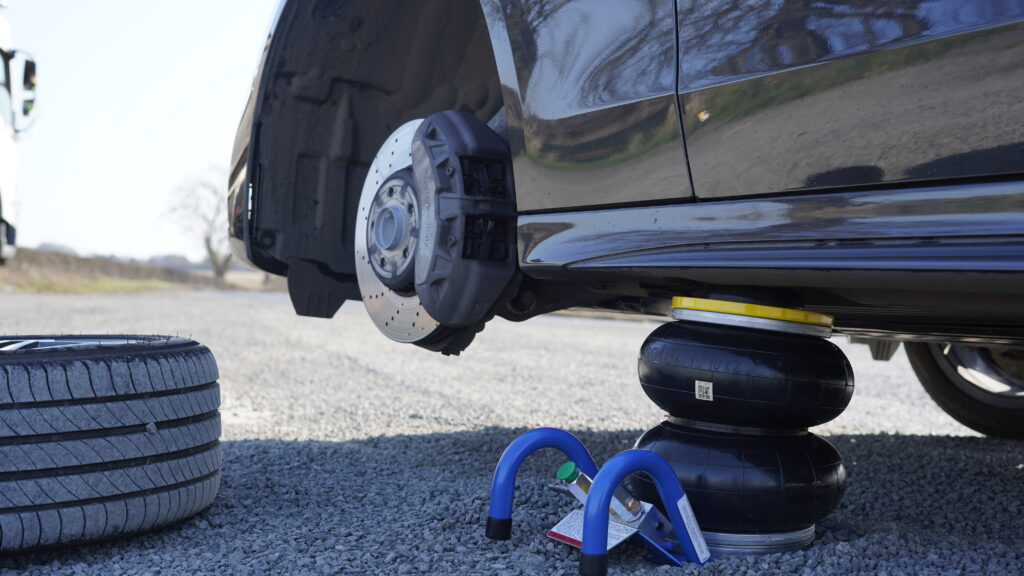
In these situations, lifting equipment needs to be forgiving and stable from the first contact with the ground. This is where an air jack becomes the ideal choice for roadside technicians due to its stability in these conditions in comparison to hydraulic jacks. The combination of wide load distribution, controlled lift height, arc tracking stability, and simple push-button operation results in fewer repositioning attempts and a more consistent overall lift performance.
Why This Matters for Roadside Operators
When a jack sinks or shifts, technicians may need to lower the vehicle to reposition the jack and attempt the lift again. This adds time, increases physical effort, and prolongs roadside exposure.
By reducing ground pressure and maintaining stability throughout the lift, air jacks allow operators to complete lifts more confidently, thereby reducing time spent at the roadside and improving safety in unpredictable environments.
Designed for the Realities of Roadside Work
Lifting equipment designed primarily for workshop use can struggle in field conditions.
Air jacks are engineered with real-world environments in mind. Their wide base and ability to follow the vehicle’s natural lifting arc provide stability where it matters most; uneven ground.
For roadside assistance fleets and mobile tyre technicians, that stability isn’t a luxury.
It’s a requirement.
That’s why roadside technicians choose Selson.
Roadside Air Jack FAQs
Hydraulic jacks often use narrow wheels or small contact points designed for smooth workshop floors. On softer surfaces such as hot asphalt or loose gravel, the concentrated load can cause the jack to sink or shift during lifting.
Yes. Selson Air Jacks use a wide base that distributes load more evenly across the surface. This reduces ground pressure and improves stability on gravel, sand, dirt, or uneven roadside conditions.
When used correctly, Selson Air Jacks provide stable lifting on many roadside surfaces due to their wide footprint and self-centering lift design. As with all lifting equipment, vehicles should always be supported with appropriate stands before work begins.
If a jack shifts or sinks mid-lift, technicians may need to reposition and lift again. This increases time spent at the roadside and reduces overall safety. Stable lifting reduces unnecessary movement and improves confidence during the job.
Selson Air Jacks are particularly well suited to field environments. Their wide base and ability to track the vehicle’s natural lifting arc help maintain stability where traditional workshop-style jacks may struggle.